
News & Stories


Berlin. "Meininger - the urban traveller's home" is the motto the ho(s)tels of the Meininger Group in Berlin are using. The new name signifies a move away from the hostel towards a hotel. Meanwhile, Meininger isn't just present in Germany, but also in international cities such as London and Vienna and will soon also be in Amsterdam. Today, the group counts nine hotels, with a further five in the starting blocks. Meininger is one of the most successful low budget hotel groups.
Vienna. It was the starring hour in star history: As recently reported, Austria and Germany have agreed on a joint star classification system which will apply as of 1 January 2010. Even Switzerland is on board, but will implement the changes later. The minimum criteria used up to now were extended to form a mixed system. Details were presented by the hotel associations last Tuesday in the Viennese Grand Hotel. 170 years after the "father of the stars", Karl Baedeker, began to distinguish travel destinations with stars, the German, Austrian and Swiss hotel classification system has been unified.
Munich. Wolfgang M. Neumann, CEO of the Arabella Hospitality Group in Munich since mid April, is still sounding out the situation. Internally, he took an initial strategic decision in connection with the much discussed "Arabella Collection".
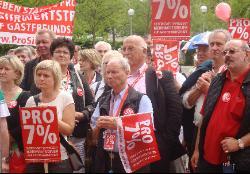
Wiesbaden. In the election year 2009, the subject of taxes has Germany in its grips. Despite all the efforts of the German Hotel and Restaurant Association though, a VAT reduction for the hotel industry remains doubtful.
Bern/Salzburg. Even the Swiss luxury hotel industry hasn't managed to escape the grasp of the economic crisis. Swiss Deluxe Hotels, with 38 five star hotels Switzerland's leading luxury hotel association, will publish concrete figures next week. Certain is that in the first three months of 2009, accommodation and sales figures fell everywhere. Projections for the current year are cautious. In Austria, it seems the problem is simply being ignored and hoteliers refuse to comment, at least to the press.

Lausanne/London. The first boutique hotels originally appeared in the 80’s, evolving rapidly into a well established niche sector in the hotel industry. Design hotels, affordable chic hotels, chain/branded boutiques and fashion hotels - grasped and well received by the lifestyle traveller, they became popular, not only by this select group but also by independent hoteliers who saw an opportunity to provide a differentiated product while achieving higher returns. How robust is this service-intense and costly product in the current crisis? An analysis full of figures and facts.

Berlin. "It's nice to be in a country in which the crisis doesn't have such a big influence!" These were the words with which Ritz-Carlton President and CEO Simon Cooper addressed his audience in the Ritz-Carlton Berlin just a few weeks ago. With this short statement he also hinted at the following: grumbles and groans are relative. The second largest luxury hotel group in the world - with 72 hotels in operation and a further 30 projects in the pipeline - is currently seeing falls in sales, occupancy and earnings are falling in the high two digit figures in almost all its hotels, wherever they are across the globe. Meanwhile, the CEO has begun to make calls to the company's key accounts personally. He, himself, is now "on the front", as it were. In an interview with hospitalityInside.com, Cooper explains exactly how Ritz-Carlton views the crisis and what the 5-star group is doing to master it.

Augsburg. "It’s not easy!" Stefan Interthal, Managing Director of the Kempinski Adlon Berlin, sums it up for all colleagues. However, not a single hotelier uses words like "brutal" to describe the current situation as Simon Cooper, CEO of Ritz-Carlton, does. The luxury hotel crisis cannot be denied in Germany either, but it is less dramatic, compared to many other parts of the world. Despite that, there are differences among Germany’s luxury hotels as well. Therefore, it is not the time for any sweeping statements: a statement like "luxury hotels are struggling" is simply false. Leading German luxury hotels answered questions of hospitalityInside.com.
Hamburg/Berlin. Leading Hotels of the World's most recent quality checks of Kempinski's Hotels Atlantic in Hamburg and Bristol in Berlin seem to have turned out so badly that the marketing association from New York is considering throwing out the two hotels.
Munich. The end of the joint venture with the French hotel group Accor was the beginning for Blue & Green Hotels in Lisbon. In Portugal, in the middle of the economic crisis, a new hotel group is forming with three resorts and a further ten boutique hotels planned. Behind the project is one of the largest casino companies in the country as well as an influential businessman.